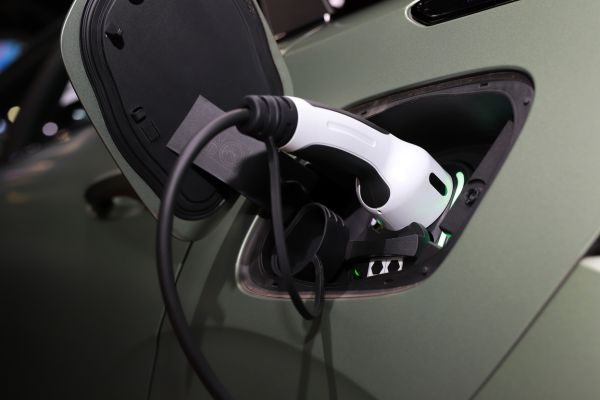

Electric vehicles are no longer some far-off idea reserved for sci-fi movies or early adopters with deep pockets. They’re here, they’re growing fast, and honestly, they’re changing how we think about transportation. At the heart of all this progress sits one critical piece of the puzzle: batteries. And that’s why EV battery technology updates have become one of the most talked-about topics in the automotive and energy world lately.
If you’ve ever wondered why EVs are suddenly going farther, charging faster, and becoming more affordable, the answer almost always comes back to what’s happening inside the battery pack. So let’s break it down in a way that actually makes sense, without the robotic jargon or stiff textbook vibe.
Why EV Battery Technology Updates Matter More Than Ever
Let’s be real. Batteries used to be the biggest weakness of electric vehicles. Limited range, slow charging, high replacement costs—you know the complaints. But things are shifting quickly. EV battery technology updates are tackling those pain points head-on, and the results are impressive.
As governments push for cleaner transportation and automakers invest billions into electrification, battery innovation has moved into overdrive. Better batteries don’t just mean better cars. They also mean lower emissions, more energy independence, and a smoother transition away from fossil fuels.
The thing is, when batteries improve, everything else follows.
The Shift Toward Higher Energy Density
One of the most important EV battery technology updates centers on energy density. In simple terms, energy density refers to how much power a battery can store relative to its size and weight. Higher energy density means more range without making the car heavier or bulkier.
Recent advancements in lithium-ion chemistry have allowed manufacturers to pack more energy into smaller spaces. That’s why newer EV models can comfortably cross 300 miles on a single charge, something that felt almost impossible a decade ago.
Researchers are experimenting with advanced cathode materials, silicon-rich anodes, and optimized electrolyte formulas. Each small improvement adds up, resulting in batteries that last longer and deliver more usable power. It’s not flashy on the surface, but it’s a game-changer where it counts.
Solid-State Batteries Are Gaining Serious Attention
If you’ve been following EV battery technology updates closely, you’ve probably heard the buzz around solid-state batteries. And yes, the hype is real, even if mass adoption is still a few years away.
Traditional lithium-ion batteries use liquid electrolytes, which can limit energy density and raise safety concerns. Solid-state batteries replace that liquid with a solid material, offering several advantages at once. They promise higher energy density, faster charging times, and significantly improved safety.
Imagine charging your EV in minutes instead of hours, without worrying about overheating or degradation. That’s the dream solid-state technology is chasing. While production challenges remain, major automakers and battery manufacturers are investing heavily, suggesting that solid-state batteries are not just a lab experiment anymore.
Faster Charging Is No Longer a Fantasy
Range anxiety used to dominate every EV conversation. Now, charging anxiety is slowly taking its place. Thankfully, EV battery technology updates are addressing this too.
Modern batteries are being designed to handle higher charging speeds without damaging the cells. Improved thermal management systems play a huge role here. By keeping battery temperatures stable during fast charging, manufacturers can push more power safely into the pack.
New battery chemistries also reduce resistance during charging, allowing electrons to flow more efficiently. The result? Shorter charging stops and more confidence for drivers on long trips. The idea of grabbing a coffee while your car charges enough for hundreds of miles is becoming surprisingly realistic.
Longer Lifespan and Reduced Degradation
Another major focus of EV battery technology updates is durability. Nobody wants to replace an expensive battery pack after just a few years. Early EV models struggled with noticeable battery degradation, especially in extreme climates.
Today’s batteries are far more resilient. Enhanced cell balancing, smarter battery management systems, and refined charging algorithms all contribute to longer lifespan. Some newer EV batteries are designed to last well beyond 300,000 miles with minimal performance loss.
The thing is, longevity isn’t just about chemistry. Software plays a huge role. Modern EVs constantly monitor battery health and adjust performance in real time to reduce stress on individual cells. It’s like having a personal trainer for your battery, quietly working in the background.
Sustainability Is Becoming a Core Focus
EV battery technology updates aren’t just about performance anymore. Sustainability has moved to the center of the conversation, and for good reason.
Battery production requires critical materials like lithium, cobalt, and nickel, which come with environmental and ethical concerns. In response, manufacturers are developing batteries that use less cobalt or eliminate it entirely. Recycling technology has also improved, allowing valuable materials to be recovered and reused instead of discarded.
Some companies are even designing batteries with second-life applications in mind. After an EV battery no longer meets automotive performance standards, it can still store energy for homes or power grids. That extended lifecycle reduces waste and maximizes the value of each battery produced.
Cost Reductions Are Accelerating EV Adoption
Let’s talk money, because it matters. One of the most impactful EV battery technology updates is the steady drop in battery costs. Batteries once accounted for a massive chunk of an EV’s price. Now, that gap is shrinking fast.
Improved manufacturing processes, larger production volumes, and better material sourcing have all contributed to lower costs per kilowatt-hour. As battery prices fall, EVs become more competitive with gas-powered cars, even without incentives.
This cost reduction doesn’t just benefit buyers. It also allows automakers to invest more in design, comfort, and features, making EVs appealing to a broader audience. In other words, better batteries help EVs move from niche to mainstream.
Battery Management Software Is Smarter Than Ever
Hardware gets most of the attention, but software is quietly driving some of the biggest EV battery technology updates. Advanced battery management systems now use real-time data to optimize performance, safety, and longevity.
These systems control charging speeds, monitor temperature, balance cell voltage, and even predict future battery health. Over-the-air updates allow manufacturers to improve battery behavior long after the car leaves the factory.
You know, it’s kind of wild to think your car can get better at managing its battery while sitting in your driveway. That level of adaptability simply wasn’t possible in earlier generations.
Global Competition Is Fueling Rapid Innovation
One reason EV battery technology updates are happening so quickly is competition. Automakers and battery manufacturers around the world are racing to gain an edge. No one wants to be left behind in the transition to electric mobility.
This global push has accelerated research and development at an unprecedented pace. Breakthroughs that once took decades are now happening in years, sometimes even months. Collaboration between automakers, tech companies, and energy providers has also increased, creating a powerful innovation ecosystem.
The upside for consumers? Better technology, faster improvements, and more choices.
What These Updates Mean for Everyday Drivers
All these EV battery technology updates might sound technical, but their impact is very personal. Better batteries mean fewer charging stops, lower ownership costs, improved reliability, and greater peace of mind.
They also mean EVs are becoming practical for more lifestyles, from city commuting to long-distance travel. As battery technology continues to evolve, the gap between electric and traditional vehicles keeps shrinking.
For many drivers, the question is no longer whether EVs can meet their needs. It’s whether there’s any reason not to consider one.
The Road Ahead for EV Battery Technology
Looking forward, EV battery technology updates show no signs of slowing down. Research into new materials, alternative chemistries, and advanced manufacturing techniques continues at full speed. While no single breakthrough will solve everything overnight, the steady stream of improvements is adding up in a big way.
The future of transportation depends heavily on what happens inside these batteries. And honestly, based on what we’re seeing now, that future looks increasingly efficient, sustainable, and exciting.
Final Thoughts on EV Battery Technology Updates
EV battery technology updates are doing more than just improving electric vehicles. They’re reshaping the entire automotive landscape. From longer range and faster charging to lower costs and greater sustainability, the progress happening right now is remarkable.
The thing is, this isn’t some distant promise. These changes are already reaching the roads, quietly making EVs better with every new model year. As battery technology continues to evolve, electric vehicles will only become more practical, accessible, and appealing.
So if you’ve been watching the EV space from the sidelines, now might be the time to pay closer attention. Because batteries, once the biggest limitation, are quickly becoming the strongest advantage of electric vehicles.