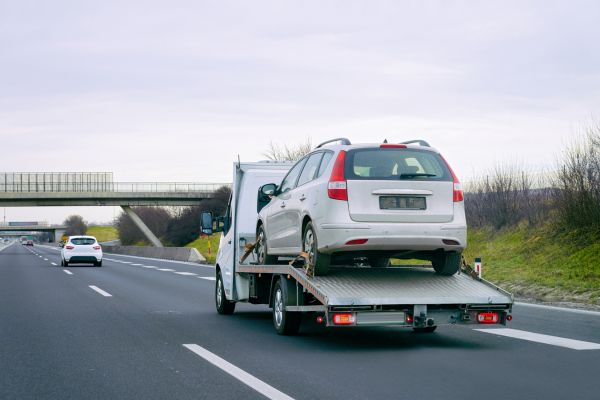

There’s something uniquely satisfying about a truck built to handle serious work. Whether it’s hauling a large travel trailer through the mountains, pulling a heavy boat to the lake, or towing construction equipment across town, full-size pickup trucks remain the backbone of heavy towing.
Over the years, manufacturers have refined their trucks with stronger frames, advanced powertrains, smarter towing technologies, and increasingly sophisticated driver assistance systems. In 2026, the segment is more capable than ever. Today’s Full-Size Trucks for Towing are designed not just for raw strength, but also for stability, control, and comfort during long-distance hauling.
Choosing the right truck for towing is about far more than horsepower. It involves understanding torque delivery, payload capacity, axle ratios, braking systems, and towing assistance technology. The modern towing truck has evolved into a carefully engineered machine built to make heavy loads manageable.
Why Full-Size Trucks Dominate Heavy Towing
Full-size pickup trucks have long been the preferred vehicles for demanding towing tasks. Their advantage lies in the combination of strong body-on-frame construction, large-displacement engines, and robust suspension systems.
The ladder-frame design used in most full-size trucks provides the structural strength necessary to handle thousands of pounds of trailer weight without compromising stability. Compared to midsize trucks, full-size models also offer longer wheelbases and wider stances, both of which improve balance when towing large trailers.
Equally important is torque. Towing isn’t about speed; it’s about sustained pulling power. Diesel and large gasoline engines deliver the low-end torque required to move heavy loads from a standstill and maintain steady momentum on steep grades.
Another key factor is cooling capacity. Heavy towing generates tremendous heat in the engine, transmission, and braking systems. Full-size trucks are designed with larger radiators, heavy-duty transmissions, and integrated towing packages to manage these demands.
The Evolution of Towing Technology
Not long ago, towing a large trailer required considerable skill and experience. Today’s trucks make the task significantly easier thanks to advanced towing technology.
Modern towing systems integrate cameras, sensors, and software that help drivers manage large trailers safely. Trailer backup assist features allow drivers to steer a trailer using simple controls rather than complex steering inputs. Multi-angle camera systems provide clear views of blind spots and trailer alignment.
Trailer sway control has also become standard in many full-size trucks. This technology automatically adjusts braking and engine output when the system detects unstable trailer movement, helping maintain control during sudden wind gusts or lane changes.
Integrated brake controllers, smart hitch systems, and real-time trailer monitoring tools further reduce the stress of towing. For drivers who regularly tow large loads, these features can make a noticeable difference in both safety and confidence.
Ford F-150 and the Balance of Capability and Versatility
Among modern towing trucks, the Ford F-150 remains one of the most recognizable names in the segment. While it is known for its everyday practicality, certain configurations are particularly capable when it comes to towing.
The truck’s turbocharged EcoBoost engines produce impressive torque at lower RPMs, making them well-suited for pulling heavy loads. Ford also offers advanced towing technologies that assist drivers during trailer hookups and maneuvering.
The aluminum body construction helps reduce overall weight without sacrificing strength, which can improve payload capacity and efficiency. For drivers who want a truck that can tow effectively while still functioning as a daily vehicle, the F-150 often strikes a practical balance.
While it may not match the extreme towing capacity of heavy-duty trucks, its capability is more than sufficient for many recreational towing scenarios, including large campers and boats.
Ram 1500 and the Comfort-Oriented Towing Experience
The Ram 1500 approaches towing from a slightly different perspective. While it remains a capable truck, much of its appeal comes from its ride quality and interior comfort.
Ram’s coil-spring rear suspension—unusual for a pickup truck—creates a smoother driving experience when the truck is unloaded. When towing, the system still provides stability and support, especially when paired with the available air suspension system.
Engine options provide strong torque output, and the truck’s towing technologies help simplify trailer control. For drivers who spend significant time on highways or long road trips with a trailer, the Ram 1500’s quieter cabin and refined driving experience can make towing feel less like work.
The truck illustrates how modern towing vehicles are no longer purely utilitarian machines; they can also deliver comfort and sophistication.
Chevrolet Silverado 1500 and the Emphasis on Torque
The Chevrolet Silverado has long been part of the traditional trio of American full-size trucks built for demanding work. In recent years, its towing capability has benefited from a range of powerful engine options, including diesel configurations known for their high torque output.
Diesel engines are particularly valued for towing because they produce strong pulling power at low engine speeds. This characteristic makes them effective for climbing hills while towing heavy trailers without excessive strain on the engine.
The Silverado’s trailering technology package includes multiple camera views designed specifically for towing. These cameras help drivers monitor trailer alignment, check blind spots, and even observe cargo inside certain trailer types.
The combination of torque-rich engines and practical towing tools makes the Silverado a dependable choice for drivers who regularly pull heavier loads.
Toyota Tundra and the Push Toward Modern Powertrains
Toyota’s Tundra represents a slightly different philosophy in the full-size truck segment. The latest generation moved away from traditional large V8 engines in favor of turbocharged V6 powertrains designed to deliver both power and efficiency.
These engines produce substantial torque and are paired with transmissions tuned for towing performance. The shift toward smaller, forced-induction engines reflects a broader trend across the truck industry as manufacturers balance capability with fuel economy and emissions regulations.
Toyota has also focused on improving towing stability through refined suspension design and updated electronic systems. While the Tundra may not dominate in maximum towing figures, it demonstrates how modern engineering can achieve strong performance from alternative engine configurations.
For drivers interested in long-term reliability and a different approach to truck design, the Tundra remains an intriguing option within the category of Full-Size Trucks for Towing.
Heavy-Duty Trucks and Extreme Towing Capability
While half-ton trucks dominate everyday towing tasks, heavy-duty trucks push towing capacity to extraordinary levels. Models such as the Ford Super Duty, Ram Heavy Duty, and Chevrolet Silverado HD are built for extreme workloads.
These trucks feature reinforced frames, stronger axles, upgraded suspension systems, and powerful diesel engines capable of generating enormous torque figures. With the right configuration, they can tow massive fifth-wheel trailers, large equipment haulers, and multi-car transport trailers.
Heavy-duty trucks also incorporate specialized towing features, including integrated trailer tire monitoring systems and advanced exhaust braking for improved downhill control. These capabilities make them the preferred choice for drivers who regularly deal with the heaviest loads.
However, their larger size and heavier weight can make them less convenient for everyday driving compared to standard full-size pickups.
What Matters Most When Choosing a Towing Truck
Selecting the right truck for towing depends heavily on the type of load being pulled. Trailer weight, hitch type, terrain, and frequency of towing all influence the best choice.
Engine torque remains one of the most important factors. A truck with strong torque at low RPM will handle heavy loads more smoothly and with less strain. Transmission design also plays a critical role, particularly when it comes to gear ratios and cooling systems.
Wheelbase length contributes to stability when towing longer trailers. Longer trucks generally provide better control and reduced trailer sway. Suspension design and braking systems are equally important, especially when towing in mountainous or uneven terrain.
Finally, modern towing technologies should not be overlooked. Systems that assist with trailer alignment, sway control, and visibility can significantly improve the overall towing experience.
The Continuing Evolution of Full-Size Trucks for Towing
The future of Full-Size Trucks for Towing is likely to include even more innovation. Hybrid powertrains, electrified systems, and improved towing software are already beginning to appear in the truck market.
Manufacturers are exploring ways to deliver strong torque using hybrid systems that combine electric motors with traditional engines. Electric torque is particularly useful for towing because it is delivered instantly, which can help move heavy trailers smoothly from a standstill.
Advanced driver assistance systems are also becoming more sophisticated, with improved trailer monitoring and automated driving support during long-distance towing.
These developments suggest that towing trucks will continue evolving toward vehicles that are not only stronger, but also smarter and easier to operate.
Conclusion
Full-size pickup trucks have earned their reputation as dependable towing machines through decades of engineering refinement. In 2026, the best trucks combine traditional strength with modern technology designed to make towing safer and more manageable.
Whether it’s a versatile half-ton pickup or a heavy-duty diesel powerhouse, today’s trucks offer remarkable capability for drivers who regularly haul heavy loads.
As towing demands continue to evolve, manufacturers are responding with smarter systems, more efficient engines, and improved stability features. The result is a new generation of Full-Size Trucks for Towing that deliver both power and precision—vehicles built not just to pull weight, but to do so with confidence and control.