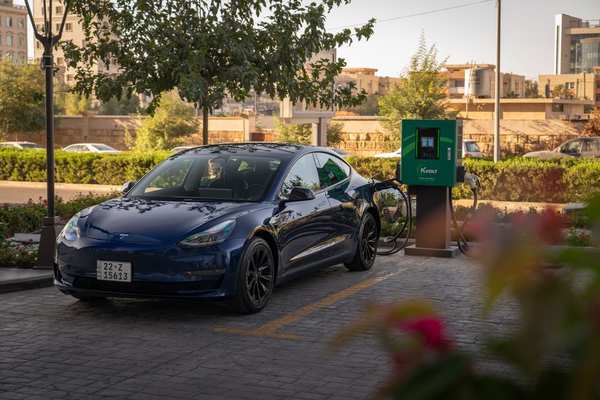

Buying an electric car in the UK in 2026 is more practical than it was a few years ago, but it is no longer a simple story of “EVs are cheaper to run and pay no road tax.” The charging network has expanded, home charging remains attractive for many households, and the choice of models is broader. At the same time, Vehicle Excise Duty now applies to EVs, public rapid charging can be expensive, and buyers without reliable home charging still face compromises.
The right answer depends on how you drive, where you park, how often you travel long distances, and what you pay for electricity. A useful EV buying guide UK drivers can rely on should start with those everyday details.
EV Road Tax Has Changed
Electric cars are no longer exempt from Vehicle Excise Duty. For the 2026–27 tax year, a new electric or zero-emission car registered on or after 1 April 2025 pays £10 in its first year and then the standard £200 annual rate. EVs with a list price above £50,000 can also fall into the expensive car supplement rules from the second year.
That change removes one of the financial advantages EV owners previously enjoyed, so do not rely on old claims that an electric car carries no road tax.
Home Charging Still Changes the Equation
If you can charge on a driveway or in a private parking space, an EV remains much easier to justify. Ofgem’s average capped electricity rate for direct-debit customers from 1 July to 30 September 2026 is 26.11p per kWh. At that rate, putting 60kWh into a battery would cost about £15.67 before charging losses.
Many EV-specific tariffs offer cheaper overnight electricity, so drivers who schedule charging off-peak may pay considerably less. Your actual electric car running costs will depend on efficiency, tariff, weather, driving style, and how much charging is done away from home.
What a Home Charging Setup Needs
A typical home charging setup uses a dedicated wallbox. Installation cost depends on cable runs, consumer-unit work, parking position, and the charger selected. Some renters, flat owners, landlords, and households with on-street parking can qualify for government support. From April 2026, eligible residential schemes can provide up to £500 per socket, subject to the scheme rules.
Public Charging Is Better, but Location Still Matters
The UK charging network continues to grow. Government statistics recorded 119,080 publicly available EV chargers as of 1 April 2026, including 27,372 rated at 50kW or above. That is a substantial network, but national totals do not tell you whether chargers are conveniently located for your routine.
Before buying, check the places you actually visit: your workplace, supermarket, motorway routes, family destinations, and regular overnight stops. Public rapid charging is also normally much more expensive per kWh than charging at home. If most of your energy will come from rapid chargers, the running-cost advantage over an efficient petrol or hybrid car can shrink sharply.
Range Anxiety Is Becoming More Manageable
The useful figure is not the official maximum range but the distance the car can comfortably cover in poor weather with a sensible reserve remaining. Motorway speeds, winter temperatures, heating, heavy loads, and headwinds can all reduce real-world range.
For example, if you regularly make a 220-mile motorway journey, a car advertised with a range only slightly above that distance may still require a charging stop in winter. A model with more usable range gives you flexibility to choose a better-priced or less crowded charger.
Purchase Price and Grants Need Checking Model by Model
The Electric Car Grant is available only on approved eligible vehicles. The grant is applied as a reduction in the purchase price, and eligibility lists can change as new models and variants are approved or withdrawn.
Compare the actual on-the-road deal for a specific car rather than assuming every EV receives the same support. Finance discounts, manufacturer contributions, insurance, servicing packages, and expected depreciation can matter as much as the headline grant.
When an EV Makes the Most Sense
An electric car is particularly convincing if you can charge cheaply at home, drive enough miles to benefit from lower energy costs, and mainly make predictable journeys within the car’s comfortable range. It can also work well for households with solar generation or access to workplace charging.
It is less straightforward if you lack dependable overnight charging, frequently tow long distances, regularly drive through areas with sparse infrastructure, or depend on expensive rapid charging. In those cases, a full hybrid or efficient petrol car may still fit your routine better.
Do Not Ignore Insurance, Depreciation and Battery Warranty
Energy cost is only one part of ownership. Get an insurance quote before ordering, because premiums can differ substantially between similar cars. Check the battery warranty, servicing requirements, tyre costs, and expected resale value as well.
Used EV buyers should also look for battery-health information where available. Modern battery packs are designed for long service, but condition, charging history, mileage, and age still matter. Useful next reads include electric car charging costs, choosing a home EV charger, and EV versus hybrid ownership costs.
Frequently Asked Questions
Do electric cars pay road tax in the UK in 2026?
Yes. New electric cars registered on or after 1 April 2025 pay £10 in the first year for 2026–27, followed by the standard annual rate, currently £200. Premium vehicles can also be affected by the expensive car supplement.
Is it cheaper to charge an EV at home?
Usually, yes. Home electricity is generally much cheaper per kWh than rapid public charging, and EV-specific overnight tariffs can reduce the cost further.
Can I own an electric car without a driveway?
Yes, but it requires more planning. Check nearby public and workplace charging, local on-street provision, prices, reliability, and whether your home situation qualifies for a supported installation route.
How much range should I buy?
Choose enough real-world range to cover your regular longer journeys with a comfortable reserve. Selecting a car that barely covers your longest routine trip can make winter and motorway driving inconvenient.
So, Should You Buy One?
For a UK driver with reliable home charging and a predictable daily routine, buying an electric car in 2026 can make excellent sense. The technology is mature, public infrastructure is growing, and home charging can keep day-to-day energy costs competitive. The decision is harder for drivers who rely heavily on rapid charging or cannot easily charge where they park.
Run the numbers using your own mileage, electricity tariff, insurance quote, tax position, and likely charging pattern. If the practical fit works before you look at incentives, an EV is much more likely to remain the right car after the novelty wears off.