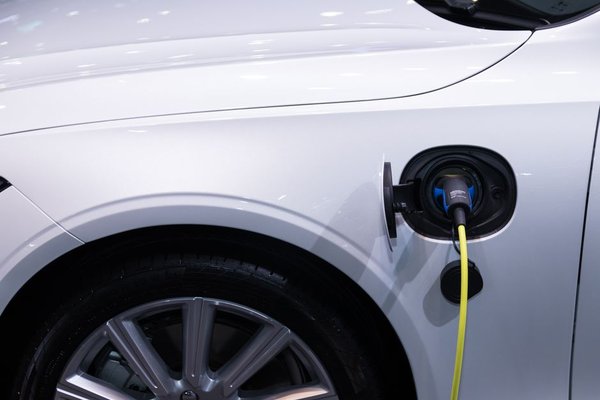

Choosing a new car in the UK now starts with a question that used to come much later: petrol, hybrid or electric? The badge on the bonnet still matters, but the powertrain can have a bigger effect on what you spend, how you refuel and how well the car fits your routine. For anyone comparing petrol vs hybrid vs electric in the UK, the answer is not that one technology always wins. It is about matching the car to the journeys you actually make.
Start with your real driving pattern
A useful fuel type comparison begins with three facts: how many miles you drive, where those miles happen and whether you can charge at home. A driver doing 7,000 mostly local miles with a driveway has a very different cost equation from someone covering 20,000 motorway miles and relying on public charging.
Before visiting a showroom, look at a normal month. Note your commute, school runs, weekend trips and longest repeated drive. This exercise often reveals the best powertrain for UK drivers more clearly than headline range or fuel-economy figures.
Petrol: simple, familiar and still practical
A petrol car remains an easy option for drivers who want quick refuelling, broad model choice and no dependence on charging infrastructure. It can suit lower-mileage households because the purchase price may be lower than an equivalent hybrid or EV, while occasional long journeys require little planning.
The trade-off is running cost. Petrol usually costs more per mile than an efficiently home-charged EV, and stop-start urban driving is rarely where a conventional engine performs best. New petrol cars also face first-year Vehicle Excise Duty based on CO2 emissions. For cars registered from April 2026, the standard annual rate after the first year is £200, while the first-year bill rises with emissions.
Petrol makes its strongest case when annual mileage is modest, convenient charging is unavailable and easy long-distance use matters more than the lowest possible energy cost.
Hybrid: useful middle ground, but know the type
“Hybrid” covers different systems. A full hybrid can drive short distances electrically but does not plug in; it recharges through the engine and regenerative braking. A plug-in hybrid, or PHEV, has a larger battery and can cover more local driving on electricity when charged regularly.
For urban and mixed use, a full hybrid can reduce fuel consumption without asking you to change your routine. That suits households without home charging. A PHEV can go further on electricity, but only if you plug it in. Rarely charge one and you may carry a heavy battery while relying mostly on petrol, weakening both efficiency and value.
When comparing hybrid vs electric costs, remember that hybrids no longer receive the old £10 VED discount. Cars registered from April 2017 generally pay the £200 standard annual rate in 2026/27 after any first-year charge. From April 2028, plug-in hybrids are also due to face a mileage-based Electric Vehicle Excise Duty of 1.5p per mile, so long-term owners should factor that in.
Electric: strongest when charging fits your life
An EV can be the most compelling choice when you have reliable home charging and your daily driving sits comfortably within the car’s real-world range. Charging overnight means refuelling happens while the car is parked, while electric motors deliver smooth, quiet performance that suits town and suburban use.
The cost advantage depends heavily on where you charge. HMRC’s advisory electric rates from June 2026 use 7p per mile for home charging and 15p per mile for public charging. These are business-mileage advisory figures, not a promise of what every owner will pay, but they show why charging location matters. Drivers who depend on public chargers should not assume the same savings as people charging at home.
Road tax has changed too. New zero-emission cars registered from April 2025 pay £10 in the first year and £200 at the standard rate after that for 2026/27. The expensive-car supplement threshold is above £50,000 for eligible zero-emission cars, compared with above £40,000 for other cars. From April 2028, battery EVs are due to attract a mileage-based charge of 3p per mile in addition to VED.
Put the choice through a three-driver test
Imagine three buyers. Driver A covers 6,000 miles a year, lives in a flat and makes spontaneous long trips. A small petrol car may be the least complicated choice. Driver B drives mainly in town, has no charger and wants better fuel economy without changing habits; a full hybrid looks stronger. Driver C travels 35 miles most weekdays, parks on a driveway and can charge overnight; an EV is likely to make more sense.
This is why the cheapest car in an advert is not necessarily the cheapest to own. Compare insurance, finance, servicing, petrol or electricity, VED and any home-charger installation across the period you expect to keep the vehicle. If a car sits near the expensive-car supplement threshold, check its official list price before ordering.
Think beyond your next tank or charge
UK policy is steadily pushing new-car sales towards zero emissions. The government has confirmed that new cars powered solely by petrol or diesel are due to be phased out from 2030, while hybrids can continue during the transition and all new cars are intended to be zero emission from 2035. That does not mean a petrol car bought now becomes illegal to drive in 2030. Existing petrol cars can remain on the road and be sold used.
Useful next steps are to compare a new car buying checklist, review home EV charging options if electric is on your shortlist, and calculate total car running costs rather than focusing only on monthly finance. Those checks turn a broad powertrain debate into a decision based on your budget and routine.
Frequently asked questions
Is an electric car always cheaper to run than petrol in the UK?
No. Home charging can make an EV much cheaper per mile, but frequent public charging narrows the gap. Purchase price, insurance, depreciation, VED and annual mileage also affect the total.
Is a hybrid better if I cannot charge at home?
A full hybrid can be a strong option because it does not need plugging in. A plug-in hybrid is less convincing without a reliable way to charge it regularly.
Will petrol cars be banned from UK roads in 2030?
No. The 2030 policy concerns sales of new cars powered solely by petrol or diesel, not existing vehicles already on the road.
Which powertrain is best for motorway driving?
There is no universal winner. Petrol remains convenient for frequent long-distance travel, while modern EVs can work well if their range and charging stops suit your routes. Hybrids can be efficient, although their biggest gains often appear in mixed or urban driving.
Choose the car around the life you already have
Petrol wins on familiarity and effortless refuelling, hybrids can reduce fuel use without demanding a full switch, and electric cars can offer very low energy costs when home charging is available. The smartest choice is to map each option against your normal week rather than an idealised future routine. Once the powertrain fits, choosing the brand, model and trim becomes an easier second step.