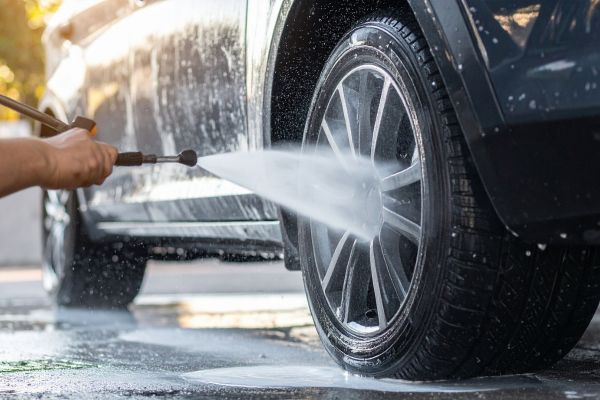

Why Tires Deserve More Attention Than They Get
A clean car can lose some of its charm when the tires look brown, dusty, or flat. It is a small detail, but it changes the whole appearance of the vehicle. Fresh paint, shiny glass, and polished wheels all look better when the tires have that deep, rich black finish. Not overly greasy, not dripping wet, just clean and healthy-looking.
That is why choosing the best tire cleaning products matters. Tires collect a rough mix of brake dust, road grime, mud, salt, old dressing, and rubber oxidation. A quick splash of water may remove loose dirt, but it rarely brings back that clean, dark finish. Good tire care starts with proper cleaning, then moves into dressing or protection if you want a glossy result.
The trick is knowing which products actually help and which ones only make the tire look shiny for a day while leaving buildup behind.
Understanding What Makes Tires Look Dirty
Tires are not smooth like painted body panels. Their textured rubber surface holds onto grime easily. Every drive adds something new, whether it is dust from the road, oily film from traffic, or tiny particles from braking. Over time, this buildup creates a dull gray or brown look.
That brown staining is often called tire blooming. It happens when protective compounds in the rubber move to the surface and react with oxygen. It is normal, but it can make even newer tires look neglected. The right cleaner helps remove that surface discoloration without damaging the rubber.
This is where tire cleaning differs from ordinary car washing. Car shampoo is gentle and useful for painted surfaces, but tires usually need something stronger. Not harsh, just more focused.
Tire Cleaners That Break Down Heavy Grime
A dedicated tire cleaner is usually the first product to consider. These cleaners are made to loosen road film, old tire shine, and brown residue from rubber. Many come in spray bottles and foam slightly when agitated with a tire brush.
The best tire cleaning products in this category should clean deeply without leaving a slippery coating behind. A good tire cleaner often changes color from white foam to brown as it lifts dirt from the rubber. That does not mean the tire is ruined; it simply shows how much contamination was sitting on the surface.
For daily drivers, a balanced tire cleaner is usually enough. Cars that go through muddy roads, winter salt, or long highway miles may need a stronger formula. Still, stronger is not always better. If a cleaner leaves the rubber dry, faded, or chalky, it is not the right choice for regular use.
All-Purpose Cleaners for Regular Tire Care
All-purpose cleaners can also work well on tires, especially when diluted properly. They are useful because they can handle multiple areas around the car, including wheel wells, floor mats, and some exterior trim. On tires, they help cut through dirt and old dressing.
The key is dilution. A strong all-purpose cleaner may be too aggressive if used too often or left to dry on the rubber. For routine cleaning, a moderate mixture is usually safer and still effective. It should be sprayed onto a wet tire, brushed gently, then rinsed thoroughly.
This type of product is practical for people who clean their cars often. If tires are maintained regularly, they may not need an intense cleaner every time. A simple all-purpose cleaner can keep them looking tidy between deeper detailing sessions.
Foaming Tire Cleaners for Easy Application
Foaming tire cleaners are popular because they are simple to use and visually satisfying. The foam clings to the tire surface, giving the product time to loosen dirt. After a short dwell time, scrubbing with a stiff tire brush helps remove the grime.
Foam can be especially helpful on tires with raised lettering, grooves, and textured sidewalls. It reaches small areas that a watery cleaner may run past too quickly. However, foam alone is not magic. If the tire is heavily soiled, brushing is still necessary.
A good foaming cleaner should rinse cleanly. If it leaves behind a film, tire dressing may not bond evenly afterward. That can lead to patchy shine or sling, where dressing flings onto the car’s body while driving.
Tire Brushes Make Products Work Better
Even the best cleaner will struggle without the right brush. Tire rubber needs agitation. A dedicated tire brush with firm bristles helps lift dirt from the texture of the sidewall. It should be strong enough to scrub, but not so sharp that it tears into the rubber.
Brush shape matters too. A curved brush can follow the tire’s round surface more comfortably, while a smaller brush can reach detailed sidewall lettering. For most people, one sturdy tire brush is enough.
This is one of those overlooked details in car care. People often blame the cleaner when the real issue is lack of agitation. Spray, wait, scrub, rinse. That simple rhythm makes a major difference.
Tire Dressings for a Glossy Finish
Cleaning gives the tire a fresh base. Dressing gives it the finish. Tire dressings come in different styles, from low-sheen satin to high-gloss wet looks. The right choice depends on personal taste.
Water-based dressings are generally easier to work with and tend to leave a cleaner, more natural finish. They are less likely to feel greasy and usually layer well if you want more shine. Solvent-based dressings can create a darker, glossier look, but they may attract dust or sling if overapplied.
For a glossy finish, the secret is thin, even application. More product does not always mean better results. Too much dressing can sit on the surface and make the tire look oily instead of polished. Applying one light coat, letting it settle, then adding another if needed usually gives a cleaner gloss.
Gel, Spray, and Cream Tire Products
Tire dressings often come as gels, sprays, or creams. Each has its own personality.
Sprays are quick and easy, but they need careful control. Overspray can land on wheels, paint, or brake components. Spraying onto an applicator instead of directly onto the tire gives better control.
Gels are thicker and often last longer. They spread nicely with a foam applicator and can create a rich black finish. The downside is that heavy gel application may sling if the excess is not wiped away.
Cream-style dressings usually offer the most controlled application. They are good for people who prefer a clean, even finish without mess. They may not always look as glossy as gels, but they often leave a refined appearance.
The best tire cleaning products are not just about the cleaner itself. The dressing format also affects the final look.
Avoiding the Overly Greasy Tire Look
A glossy tire can look great, but there is a fine line between glossy and greasy. When tires look wet in an unnatural way, the finish may distract from the rest of the car. Worse, excess product can sling onto lower body panels and leave marks.
After applying tire dressing, it helps to wait a few minutes and gently wipe the tire with a clean microfiber towel or applicator. This removes extra product while keeping the finish even. The result is still dark and glossy, but more controlled.
A clean tire should look cared for, not coated in oil. That subtle difference is what separates a quick driveway shine from a proper detail.
Matching Products to Driving Conditions
Not every car needs the same tire routine. A weekend car that stays in a garage may only need gentle cleaning and light dressing. A daily commuter exposed to rain, dust, potholes, and brake residue may need deeper cleaning more often.
In rainy areas, durability matters. A dressing that looks good but washes away after one drive may not be worth the effort. In dusty climates, a very sticky dressing can attract dirt and make tires look dirty faster. For winter driving, cleaning away road salt is more important than shine.
The best approach is to match the product to real use. A tire that faces rough weather needs cleaning power and protection. A show car can focus more on finish and appearance.
How Often Tires Should Be Cleaned
For most cars, cleaning tires every two to four weeks keeps buildup under control. If the vehicle is washed weekly, tires can be cleaned lightly each time and deep-cleaned when they start to brown or lose their rich color.
Dressing does not need to be applied every wash. If the tire still looks even and clean, adding more product can create buildup. It is better to clean properly before reapplying dressing so each layer sits on fresh rubber.
This habit keeps the finish more consistent and prevents that sticky, uneven look that happens when new dressing is placed over old residue.
A Clean Finish Starts With the Right Balance
The best tire cleaning products are the ones that clean deeply, rinse well, and leave the rubber ready for a smooth dressing. A strong cleaner, a proper brush, and a controlled tire dressing can completely change the appearance of a car without touching the paint.
Good tire care is not only about shine. It is about removing the grime that dulls the rubber, understanding the finish you want, and applying products with a light hand. When tires are clean and evenly dressed, the whole car looks sharper. The glossy finish is just the final touch, but it works best when the foundation underneath is genuinely clean.